

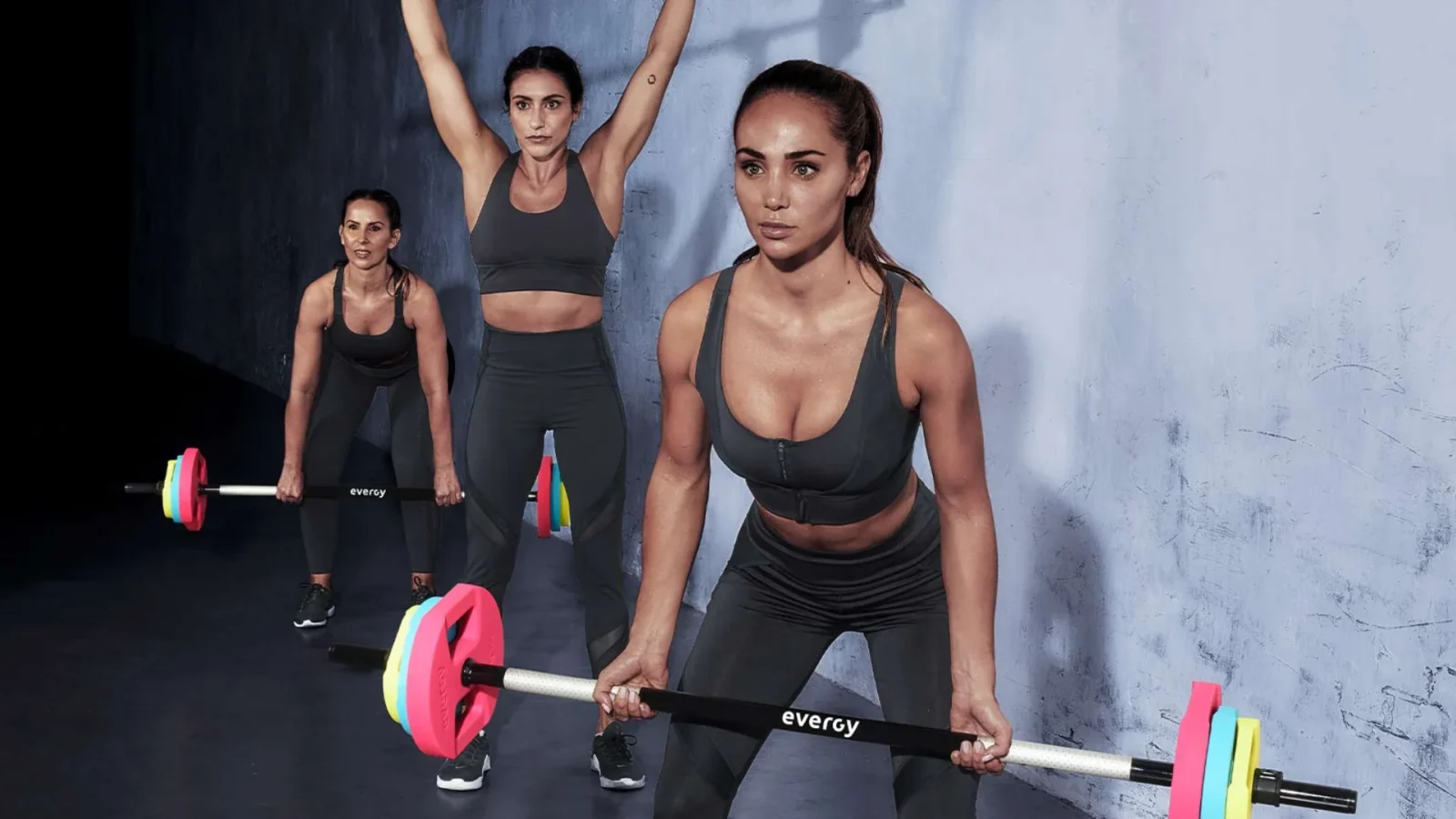
Why Safety Matters in BODYPUMP
The bodypump class is designed to be safe, effective, and suitable for a wide range of fitness levels. However, like any strength training programme, risks exist if participants overlook proper form, recovery, or scaling. Injury prevention is not just about avoiding setbacks, it is about building habits that allow you to continue training consistently over the long term.
By understanding the common risk factors and applying proven safety strategies, participants can enjoy the full benefits of BODYPUMP while protecting joints, muscles, and overall wellbeing.
Common Injuries and How They Occur
Injuries in BODYPUMP are rare when proper guidance is followed, but the repetitive nature of high-rep strength training can create vulnerabilities.
Typical issues include:
-
Lower back strain: Often caused by rounding the spine during deadlifts or squats.
-
Knee discomfort: From poor alignment in lunges or squats.
-
Shoulder tension: Due to excessive weight or poor bar positioning.
-
Wrist pain: From gripping the bar too tightly or incorrect hand placement.
These are preventable when participants focus on form, load management, and recovery.
Warm-Up and Preparation
The warm-up track is not just an introduction, it is essential for priming the body. Skipping or treating it lightly increases risk of injury.
Best practices for warming up:
-
Arrive a few minutes early to set up equipment without rushing.
-
Use the warm-up track to practice lighter versions of class movements.
-
Focus on joint mobility, particularly hips, shoulders, and knees.
-
Engage the core muscles early to protect the spine.
A quality warm-up prepares both body and mind for the demands ahead.
Correct Technique as the Foundation of Safety
Technique matters more than load. In BODYPUMP, where hundreds of repetitions are performed in one class, poor form repeated often can lead to overuse injuries.
Tips for key movements:
-
Squats: Keep chest lifted, knees aligned with toes, and weight evenly distributed.
-
Deadlifts: Maintain a neutral spine, hinge at hips, avoid rounding shoulders.
-
Presses: Control the bar, avoid locking elbows forcefully at the top.
-
Lunges: Step wide enough to stabilise, keeping front knee above ankle.
Using mirrors or feedback
-
Watch yourself in the mirror for posture cues.
-
Listen carefully to the instructor’s corrections.
-
If unsure, perform with lighter weight until confident in technique.
Managing Load and Progression
A common cause of injury is progressing too quickly. The temptation to add heavy plates often overshadows the need for gradual improvement.
-
Start with lighter weights until you master form.
-
Increase resistance in small increments, focusing on control.
-
Remember that fatigue should come from repetition, not from a single heavy lift.
This approach ensures safe adaptation of muscles and joints.
Importance of Core Engagement
The core is the body’s stabilising system. Weak or disengaged core muscles increase risk of injury in nearly every track.
How to engage the core effectively:
-
Draw navel gently towards spine during lifts.
-
Keep hips aligned and avoid over-arching lower back.
-
Breathe steadily, exhaling during exertion.
Consistent core activation reduces stress on the back and improves movement efficiency.
Listening to Your Body
Injury prevention requires awareness of signals that indicate fatigue or strain. Ignoring discomfort often leads to more serious problems.
-
Stop if sharp or persistent pain occurs.
-
Modify range of motion when joints feel stressed.
-
Take breaks if dizziness, nausea, or excessive fatigue arises.
-
Rest and recover when soreness does not subside after several days.
These small adjustments protect long-term participation.
Recovery Strategies to Prevent Overuse
Recovery is as important as the workout itself. Without proper rest, muscles and joints cannot repair and adapt.
-
Schedule at least one rest day between back-to-back BODYPUMP sessions.
-
Use active recovery such as stretching, walking, or yoga.
-
Apply foam rolling or massage to reduce tension.
-
Sleep 7–9 hours nightly to support repair processes.
-
Eat balanced meals rich in protein and micronutrients.
Overtraining leads to fatigue and higher risk of repetitive stress injuries.
Role of Instructors in Safety
Instructors are trained not only to motivate but also to safeguard participants. Their cues emphasise posture, alignment, and breathing. In Singapore’s fitness community, many instructors are approachable and provide modifications for participants with limitations. Taking advantage of their expertise is one of the best ways to ensure safety.
Environmental Factors in Singapore
Singapore’s climate presents unique considerations for safety. The humidity increases fluid loss, so hydration is critical. Class participants should bring water and sip throughout the session. Proper ventilation in studios also supports performance and comfort.
BODYPUMP at True Fitness Singapore
At True Fitness Singapore, safety is prioritised through structured programming, certified instructors, and well-maintained equipment. The supportive group environment encourages participants to focus on correct form rather than rushing into heavier loads. This emphasis on technique and care ensures long-term sustainability of fitness goals.
Practical Tips for Staying Injury-Free
-
Always arrive early to set up and warm up properly.
-
Prioritise form over weight, especially when tired.
-
Stay hydrated in Singapore’s climate.
-
Rest adequately between sessions to avoid overtraining.
-
Communicate with instructors about any existing injuries.
FAQs
Q. Is BODYPUMP safe for people with chronic back pain?
Ans. With proper modifications and medical clearance, yes. Focus on lighter weights, maintain neutral spine, and avoid sudden twisting movements.
Q. How do I know if my weights are too heavy?
Ans. If form breaks down before the end of a track or if joints feel strained instead of muscles, the load is too high. Reduce weights immediately.
Q. Can I do BODYPUMP if I have weak knees?
Ans. Yes, provided you adjust range of motion and avoid excessive loads. Strengthening surrounding muscles over time often improves knee stability.
Q. What should I do if I feel pain during class?
Ans. Stop the movement, reset form, or choose a lighter option. If pain persists, discontinue and consult a healthcare professional.
Q. How many rest days should I have each week?
Ans. For most participants, two rest days spread across the week help prevent overuse and keep performance high.