

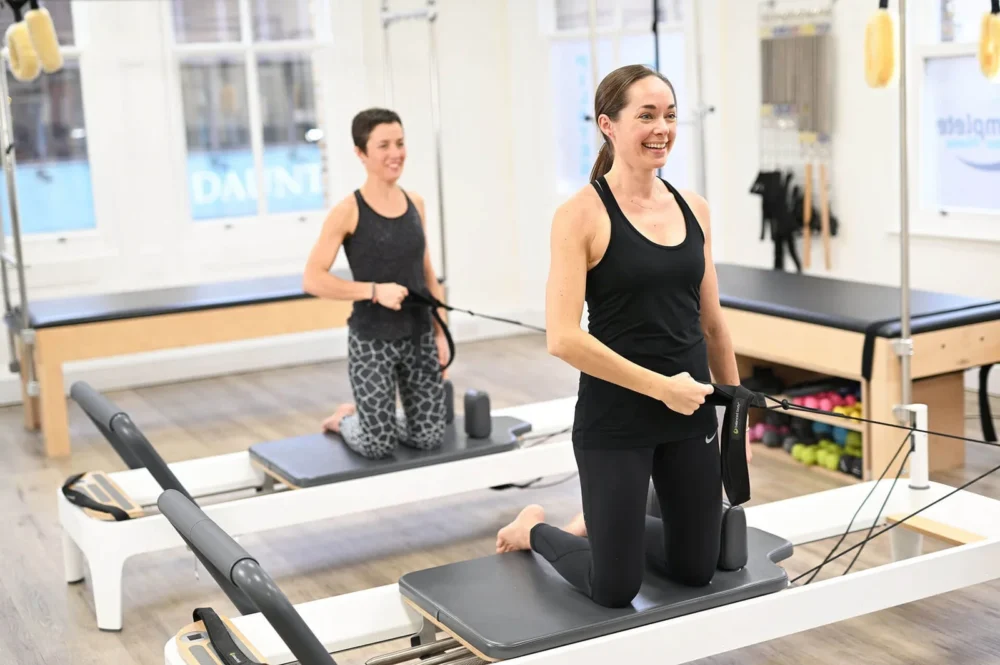
As Singaporeans become increasingly health-conscious, more people are exploring various forms of mindful movement and strength training. Pilates, in particular, has gained widespread popularity, with options ranging from mat-based classes to more equipment-focused approaches like reformer Pilates. But with both choices easily accessible in Singapore, many are asking: Which one suits me better—mat or reformer?
The answer depends on your fitness goals, current condition, and lifestyle. In this article, we’ll unpack the key differences between mat and reformer pilates Singapore classes, their benefits, and how to make the right choice for your body and schedule in 2025.
Understanding the Core Differences
What is Mat Pilates?
Mat Pilates is performed on a yoga-like mat, often using just your bodyweight. It focuses on core engagement, alignment, and breath control. Props like rings, bands, or small weights may be used to increase intensity, but the floor is your primary base of support.
What is Reformer Pilates?
Reformer Pilates uses a bed-like machine called the reformer, equipped with a sliding carriage, adjustable springs, ropes, and pulleys. The resistance from the springs allows for greater variability and intensity, making it suitable for beginners as well as seasoned athletes.
Key Comparison: Reformer vs Mat Pilates for Singaporean Lifestyles
| Feature | Mat Pilates | Reformer Pilates |
| Equipment Required | Minimal (just a mat) | Reformer machine |
| Space Needed | Home or studio-friendly | Requires dedicated studio setup |
| Resistance Variety | Bodyweight & props | Adjustable spring-based resistance |
| Injury Support | Suitable for general wellness | Ideal for injury rehab and joint support |
| Cost in Singapore | Lower (SGD 25–40 per session) | Higher (SGD 50–80 per session) |
| Intensity | Moderate, depends on instructor | Wide range: low to high-intensity |
| Adaptability | Good for travel/home use | Requires a reformer and trained supervision |
Let’s dive deeper into these aspects based on Singaporean health trends and needs in 2025.
Reformer Pilates: The Studio Favourite in Singapore
In 2025, more boutique fitness studios and wellness centres across Singapore are offering reformer Pilates classes tailored for different needs—strength, rehab, mobility, posture, and even sport-specific training.
Why is reformer Pilates gaining traction?
- Time-efficient full-body workouts
- Highly adjustable for different fitness levels
- Popular among office workers for postural correction
- Suitable for pre/postnatal and injury recovery
- Encourages better alignment through tactile feedback
With busy professionals in areas like Tanjong Pagar, Orchard, and Novena, reformer Pilates is seen as an investment in longevity, not just aesthetics.
Mat Pilates: Convenience Meets Control
For those who prefer home workouts or travel frequently, mat Pilates is an ideal choice. It emphasises control, concentration, and breath—fundamentals that form the backbone of Pilates practice.
In Singapore, many gyms and community centres offer affordable mat Pilates classes, especially appealing to students, retirees, or those easing back into fitness.
However, the challenge lies in maintaining engagement and intensity without the resistance and feedback a reformer provides. Some beginners may struggle with form without equipment assistance.
Which Offers More Variety?
While mat Pilates can become repetitive without props, reformer Pilates offers an expansive movement library thanks to the resistance-based carriage system. You can work on:
- Core stability
- Lower-body strength
- Flexibility and balance
- Posture and shoulder girdle control
- Plyometric movement (in jumpboard sessions)
Studios like Yoga Edition have capitalised on this versatility by offering reformer classes targeting different themes—such as core burn, stretch and recovery, or cardio pilates.
Injury Prevention & Recovery: Reformer Wins
One of the biggest advantages of reformer Pilates is how well it supports injury prevention and rehabilitation. The spring resistance can be modified based on injury type, making it ideal for:
- Lower back pain
- Shoulder instability
- Knee rehabilitation
- Postnatal recovery
Singaporeans recovering from sports injuries or dealing with musculoskeletal issues often start with reformer before transitioning to mat work once core strength and joint mobility improve.
Affordability vs. Effectiveness
Mat Pilates is more budget-friendly, with group sessions often starting around SGD 25. In contrast, reformer sessions typically cost SGD 50–80 due to the equipment and limited class size. Yet, many find the value for money in reformer Pilates justified by:
- Personalised guidance
- Enhanced posture and alignment correction
- Efficient strength and mobility gains
In Singapore’s fast-paced lifestyle, quality and results matter more than just price for many working adults and active seniors.
Who Should Choose What?
Choose Reformer Pilates If:
- You have a specific injury, mobility issue, or postural concern
- You’re looking for low-impact, full-body strength training
- You enjoy using equipment and studio-based workouts
- You want visible changes in strength, posture, and alignment
Choose Mat Pilates If:
- You travel frequently or want to work out at home
- You’re just starting out and want to learn basic principles
- You’re on a tight budget or prefer group fitness formats
- You already have experience with Pilates and seek maintenance
Client Perspective: A Balanced Approach
Some Singaporeans find the perfect balance in combining both styles. For example, Reuben, a 35-year-old marketing executive, does mat Pilates twice a week at home and attends reformer sessions at a studio once on weekends.
“Mat Pilates helped me build discipline and awareness, but the reformer sessions really improved my posture and shoulder stability. The combination works perfectly for my schedule.”
This hybrid approach is growing in popularity, especially for those who value consistency but also seek progression.
Future Outlook: Where Pilates in Singapore is Headed
In 2025, Singapore’s wellness industry is trending towards integrative and functional fitness. More people now prioritise spinal health, joint mobility, and movement quality—areas where Pilates excels.
The government’s focus on preventive care and active ageing, coupled with the rise in digital fatigue, makes reformer Pilates especially relevant for those seeking mindful, therapeutic movement.
We expect to see:
- More corporate wellness programmes including Pilates
- Growth in pre/postnatal Pilates offerings
- Widespread reformer studio openings in heartland areas
- Continued popularity among those aged 35+
FAQs
Is reformer Pilates harder than mat Pilates?
Not necessarily. Reformer exercises can be scaled for beginners and made more challenging for advanced users. The machine provides both support and resistance, making it adaptable.
Can I try both styles before deciding?
Yes. Many Singapore studios offer trial packs or mix-format memberships allowing you to attend both mat and reformer classes.
Do I need to be flexible to start Pilates?
No. One of the goals of Pilates—both mat and reformer—is to build flexibility gradually while maintaining strength and alignment.
Is reformer Pilates better for weight loss?
Reformer Pilates can help tone muscles and improve posture, but if weight loss is your goal, it’s best combined with cardio and proper nutrition.
How do I find a certified instructor in Singapore?
Look for studios that employ trainers with reputable certifications and experience, especially for reformer classes. Ask for trial classes or read reviews before committing.